C41
Kodak Portra 400
Kodak Portra 400 is a professional C-41 color negative film known for flexible exposure latitude, natural skin tones, and fine grain.
View profileMedium Format Rangefinder
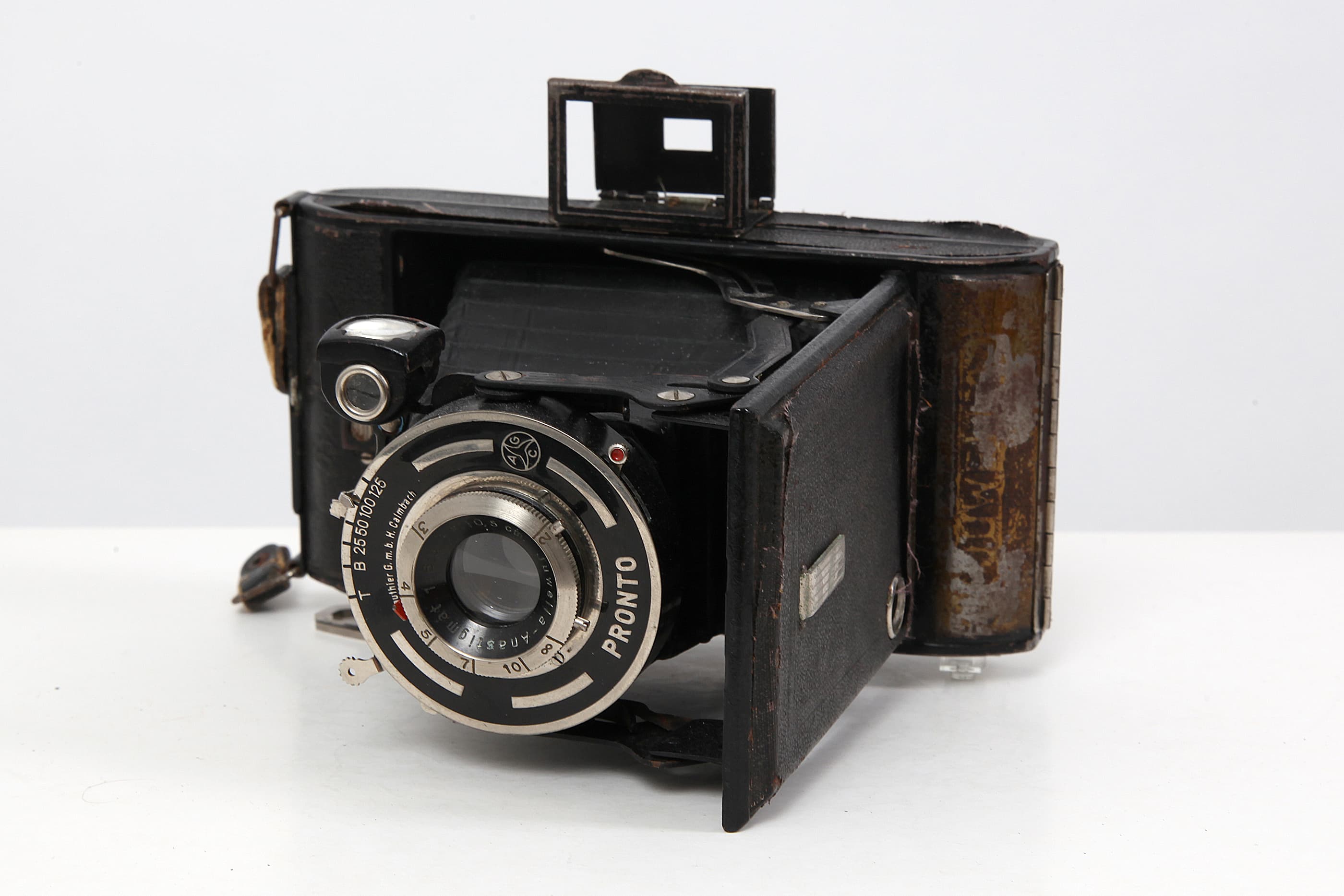
The Balda Juwella is a 6x9 medium-format folding camera produced by Balda-Werk in Dresden, introduced around 1930. It is an early entry in the Balda lineup of affordable folding cameras aimed squarely at the mass amateur market, producing eight exposures per roll on 120 film in the 6x9 cm format.
Reference
Recommended film stocks for the — format your camera takes.
C41
Kodak Portra 400 is a professional C-41 color negative film known for flexible exposure latitude, natural skin tones, and fine grain.
View profileC41
Kodak Portra 160 is a professional C-41 color negative film with fine grain, soft contrast, and natural color.
View profileC41
Kodak Ektar 100 is a fine-grain C-41 color negative film with saturated color and high sharpness.
Develop — film
We're growing the lab directory near you. Browse all labs.
Before you buy used
About this camera
An early 1930s German 6x9 folder from Dresden, offering basic construction and modest optics at an entry-level price.
| Field | Value |
|---|
| Format | 6x9 cm on 120 roll film |
| Lens | ~Trinar 105/6.3 (Balda) or Radionar 105/6.3 (Schneider) |
| Year Introduced | ~1930 |
| Shutter | ~Vario or Pronto: 1/25s - 1/100s + B, T |
| Flash Sync | None |
| Meter | None |
| Focus | Scale focus |
| Negatives | ~8 per roll (6x9) |
| Battery | None required |
Balda-Werk was founded in Dresden in 1908 by Max Baldeweg, initially producing optical goods before expanding into camera manufacture. By the late 1920s and early 1930s, Balda had established itself as one of the more prolific producers of low-cost folding cameras in Germany, competing with Agfa's Billy line and the budget end of Zeiss Ikon's Nettar range.
The Juwella emerged at the beginning of the 1930s, when the German photo industry was rationalizing its offerings after the economic disruptions of the late 1920s. The camera was designed for price-sensitive buyers who wanted medium-format results without the cost of Agfa Isolar or Zeiss Ikon Ikonta optics. At this price point, the Trinar triplet was standard; the Schneider Radionar was an upgrade option.
The early 1930s were formative years for the German folder market. Manufacturers discovered that the 6x9 format on 120 roll film was achievable at very low cost if the lens specification was kept modest. The Juwella was part of this commoditization wave. Balda would continue producing folders well into the postwar period under both West German and East German operations -- the company split across the Iron Curtain after 1945, with the Dresden works continuing under VEB organization.
The Juwella is a historically interesting camera because it represents the absolute bottom of the serious medium-format market in the early 1930s: a real metal-bodied folder with a real lens, producing 6x9 negatives, at a price that working-class German families could justify. It was not a toy. It produced adequate photographs, and the large negative format provided a significant quality advantage over contemporary 35mm or 127 film options.
Today the Juwella is primarily of interest to collectors of early Balda cameras and historians of the interwar German photo industry. For practical use, the triplet lens limits the camera's appeal compared to Tessar-equipped contemporaries. However, the 6x9 format is forgiving -- a modestly corrected lens at f/11 on a large negative still yields usable results with careful exposure.
E6
Fujifilm Fujichrome Provia 100F (RDPIII) is a professional E6 reversal (slide) film in 135 and 120 formats, known for its natural, balanced color reproduction, very fine grain, and moderate saturation. It remains in production as of 2026 and is one of the last professional slide films available.
View profileBW
Kodak Tri-X 400 is a classic black-and-white film known for strong tonality, visible grain, and documentary character.
View profile