C41
Kodak Portra 400
Kodak Portra 400 is a professional C-41 color negative film known for flexible exposure latitude, natural skin tones, and fine grain.
View profile35mm Rangefinder
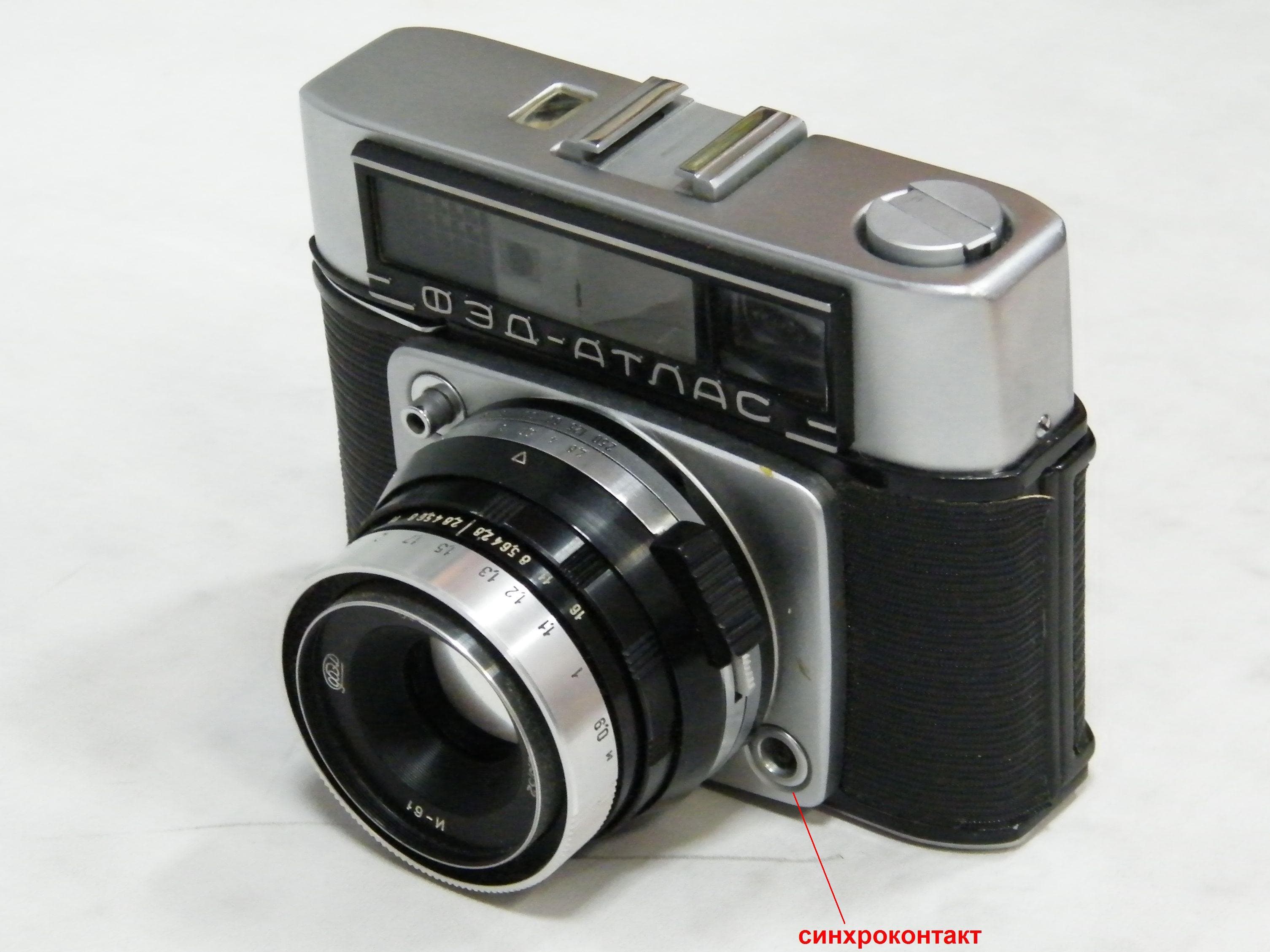
The FED Atlas 2 is a 35mm rangefinder camera produced by FED (Kharkiv Factory of Experimental Design) in Ukraine, introduced around 1972 as a direct successor to the original FED Atlas. The principal change from the Atlas was the replacement of the selenium cell automatic exposure system with a CdS (cadmium sulfide) photoresistor meter, enabling more accurate light reading at lower light levels and finer AE coupling. The trade-off was a battery dependency absent from the original: without a working battery, the AE system is inoperative and the camera must be used in manual mode. The shutter remains a fully mechanical horizontal cloth focal-plane type, so mechanical function is retained without power. The FED Atlas 2 retains the M39 Leica Thread Mount, compatible with the same ecosystem of Soviet and Leica-compatible LTM glass.
Reference
Recommended film stocks for the 35mm format your camera takes.
C41
Kodak Portra 400 is a professional C-41 color negative film known for flexible exposure latitude, natural skin tones, and fine grain.
View profileBW
Ilford HP5 Plus is a flexible ISO 400 black-and-white film with classic grain and strong push-processing tolerance.
View profileBW
Kodak Tri-X 400 is a classic black-and-white film known for strong tonality, visible grain, and documentary character.
Develop 35mm film
Labs in our directory that process 35mm film.
Before you buy used
About this camera
Refined Soviet LTM rangefinder trading selenium for CdS - battery-powered AE from Kharkiv, circa 1972.
| Field | Value |
|---|
| Format | 35mm |
| Mount | M39 / LTM |
| Years | ~1972 - ~1977 |
| Shutter | 1s - 1/500s + B, mechanical horizontal cloth |
| Flash sync | ~1/30s |
| Meter | CdS coupled (battery required) |
| Modes | Auto (electronic AE), manual |
| Weight | ~710 g |
| Battery | ~PX625 / 1.35V mercury equivalent |
| Mechanical fallback | Yes - shutter works without battery |
| Focus | Coupled rangefinder |
The Atlas 2 emerged from FED's recognition that selenium-cell AE systems, while elegant in their battery-free operation, were losing ground to CdS-based metering in accuracy and sensitivity range. By the early 1970s, Japanese manufacturers had broadly adopted CdS metering, and Soviet camera production followed suit on several product lines. The Atlas 2 thus represents a modernization of an already technologically ambitious platform: the original Atlas had been unusual in the FED line for offering any form of automatic exposure, and the Atlas 2 continued that ambition with updated sensor technology.
Production of the Atlas 2 is believed to have been limited, as FED's focus shifted toward the simplified FED-5 series, which did not continue the coupled AE approach. The Atlas 2 therefore occupies a narrow window in Soviet rangefinder history - after selenium, before the line abandoned coupled AE entirely.
The FED Atlas 2 is a rarity in the Soviet rangefinder landscape: a body with active electronic automatic exposure, predating the era when Soviet cameras largely standardized on uncoupled selenium meters or simple manual exposure. The CdS upgrade over the original Atlas gives it usable low-light sensitivity that the selenium version could not match.
The battery dependency is the central practical consideration. Mercury PX625 cells, originally specified for many CdS cameras of this era, are no longer manufactured. Zinc-air or silver-oxide replacements have slightly different voltages (1.4V and 1.55V respectively versus the 1.35V mercury standard), which can cause AE systems calibrated for mercury to overexpose. Testing with a known-accurate meter against the camera's AE output is essential before trusting the system for serious work.
The mechanical shutter fallback means the Atlas 2 is not a dead camera with a dead battery - it continues to function manually, which is the same practical proposition as shooting any all-mechanical Soviet LTM body.
Mount: M39 (39mm x 1mm Leica thread). Rangefinder coupling calibrated for standard Soviet/Leica 51.6mm flange distance.
Native compatible lenses:
Leica LTM compatibility:
Adapters: M39 to M-mount (no RF coupling for digital use); M39 to Sony E, Fuji X, or Micro Four Thirds for mirrorless digital use.
BW
Fujifilm Neopan 100 Acros is an ultra-fine-grain ISO 100 black-and-white negative film celebrated for its world-class granularity, wide tonal range, and exceptional reciprocity characteristics. The original Acros was discontinued in 2018; Acros II relaunched in November 2019 with a reformulated emulsion and is the current production version.
View profileC41
Kodak Portra 160 is a professional C-41 color negative film with fine grain, soft contrast, and natural color.
View profileC41
Kodak Gold 200 is a daylight-balanced C-41 color negative film with warm color, moderate grain, and a classic consumer-film look.
View profile