C41
Kodak Portra 400
Kodak Portra 400 is a professional C-41 color negative film known for flexible exposure latitude, natural skin tones, and fine grain.
View profile35mm Compact
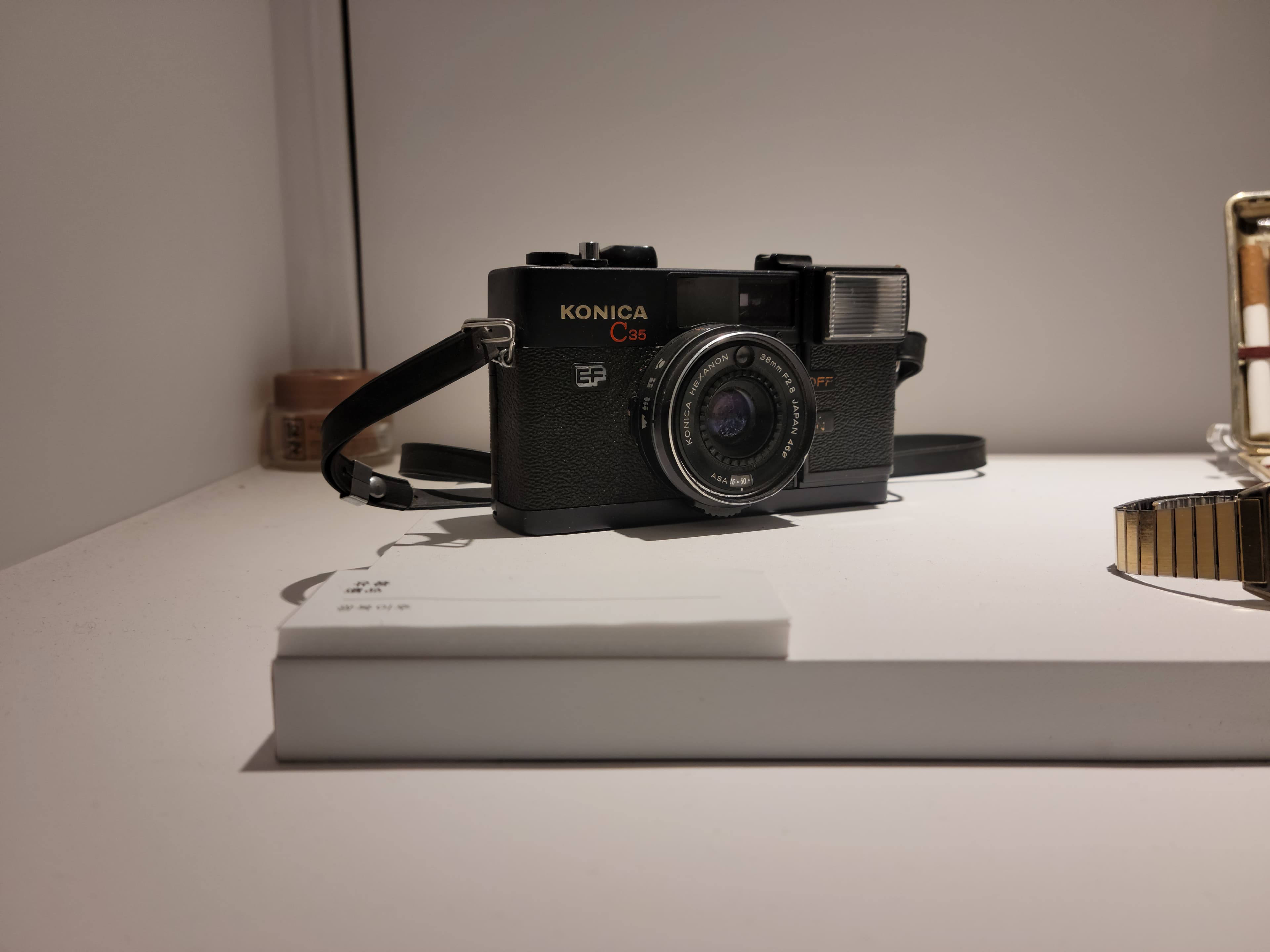
The Konica C35 Flash (1976) integrates a built-in electronic flash unit into the compact body of the original C35 (1968), creating a fully self-contained snapshot camera. Like the C35 it is derived from, it mounts a fixed **Hexanon 38mm f/2.8** lens and uses programmed autoexposure -- the camera selects both aperture and shutter speed from a pre-programmed curve based on available light. Focus is zone-set by the photographer using symbols rather than a rangefinder or autofocus mechanism.
Reference
Recommended film stocks for the 35mm format your camera takes.
C41
Kodak Portra 400 is a professional C-41 color negative film known for flexible exposure latitude, natural skin tones, and fine grain.
View profileC41
Kodak Gold 200 is a daylight-balanced C-41 color negative film with warm color, moderate grain, and a classic consumer-film look.
View profileC41
Fujifilm Superia X-TRA 400 (marketed as Superia 400 in some regions) is an ISO 400 C-41 consumer color negative film in 135 format, one of Fujifilm's most popular consumer films. It delivers warm, vibrant colors with moderate grain and remains in production in some markets.
Develop 35mm film
Labs in our directory that process 35mm film.
Before you buy used
About this camera
The original C35 with a built-in flash -- self-contained snapshot camera, 1976.
| Field | Value |
|---|
| Format | 35mm |
| Lens | Hexanon 38mm f/2.8 |
| Years | ~1976 |
| Shutter | ~1/30s - 1/250s, programmed leaf |
| Flash sync | All speeds (leaf shutter) |
| Meter | CdS, programmed AE |
| Modes | Auto-only |
| Focus | Zone (symbols) |
| Battery | ~2x AA |
The original Konica C35 launched in 1968 as one of the smallest 35mm cameras with a coupled rangefinder, positioning it against the Olympus 35 RC and Canon Canonet QL17. It was succeeded by a succession of variants throughout the 1970s that traded the rangefinder for automation and flash integration in pursuit of the mass snapshot market.
By 1976 the flash compact was a recognized product category in Japan, partly driven by Konica's own C35 EF (1975 ), which paired a simple shutter-priority system with a built-in flash. The C35 Flash refined or paralleled this formula -- the exact relationship between the EF, EFP, and Flash variants is not fully documented in English-language sources. What is consistent across the line is the use of the 38mm Hexanon and a program AE system, maintaining the optical standard established by the original C35 while serving a broader consumer audience.
The Konica C35 Flash exemplifies the mid-1970s Japanese compact design philosophy: maximize convenience (built-in flash, program AE, zone focus) while preserving a quality fixed lens. The 38mm Hexanon f/2.8 is the same optical pedigree as the lens on the original C35 -- a lens that earned genuine praise from critics who measured it against rangefinder-class glass.
The built-in flash made the camera genuinely pocketable for parties and indoor family photography without requiring any accessories. This combination -- quality lens, automatic exposure, built-in flash -- anticipated the design direction that would dominate the compact market in the 1980s. The C35 Flash is therefore a historically interesting transitional object between the precision compact rangefinders of the 1960s and the fully automated point-and-shoot cameras of the early 1980s.
Fixed Hexanon 38mm f/2.8. No interchangeable lens capability. The built-in flash covers the angle of view of the 38mm lens; no external flash accessories are typically needed or expected. Standard 49mm () front filter thread, if applicable.
C41
Kodak UltraMax 400 is a versatile consumer-grade ISO 400 daylight-balanced color negative film with T-grain emulsion, delivering warm Kodak colors, fine-for-speed grain (PGI 46), and wide exposure latitude. Currently in production and available globally as a single-roll and multi-pack.
View profileC41
Kodak ColorPlus 200 is an affordable, consumer-oriented daylight-balanced color negative film at ISO 200. Known for warm, slightly muted color rendition, fine grain, and wide exposure latitude, it is currently in production and widely available in Asia and select global markets.
View profileBW
Kodak Tri-X 400 is a classic black-and-white film known for strong tonality, visible grain, and documentary character.
View profile